MISSION
We strive to uphold excellence in quality, integrity, and innovation in every aspect of biorepository management, ensuring that each sample entrusted to us supports impactful scientific advancements and contributes to meaningful discoveries in healthcare and biomedical research.
Preservation: Ethically Governed Biospecimen Access
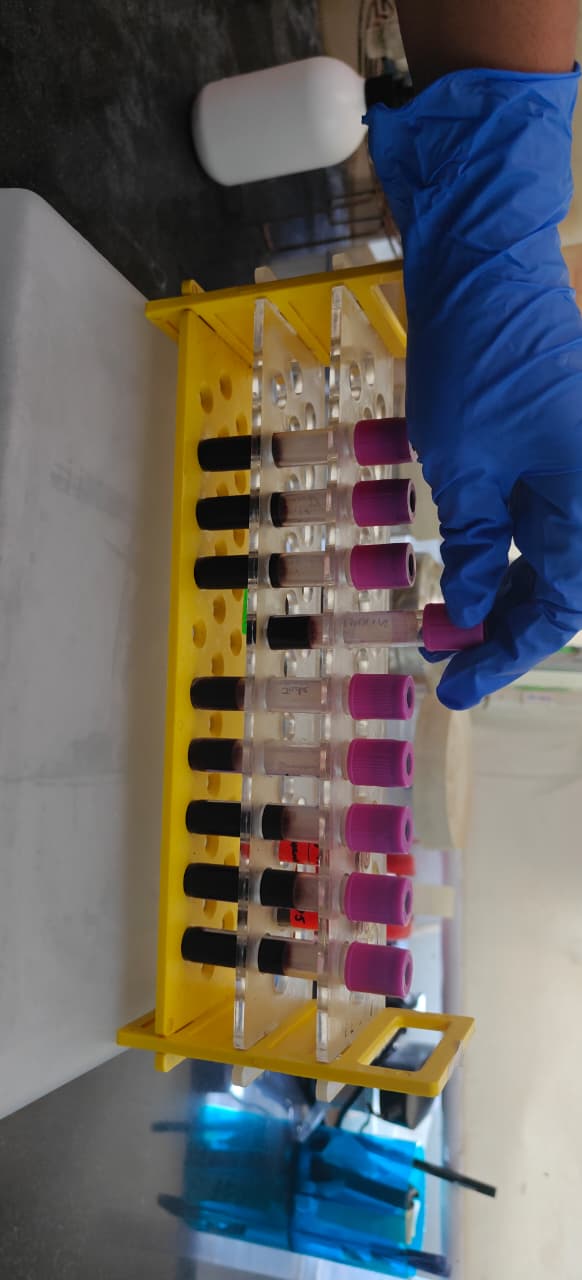
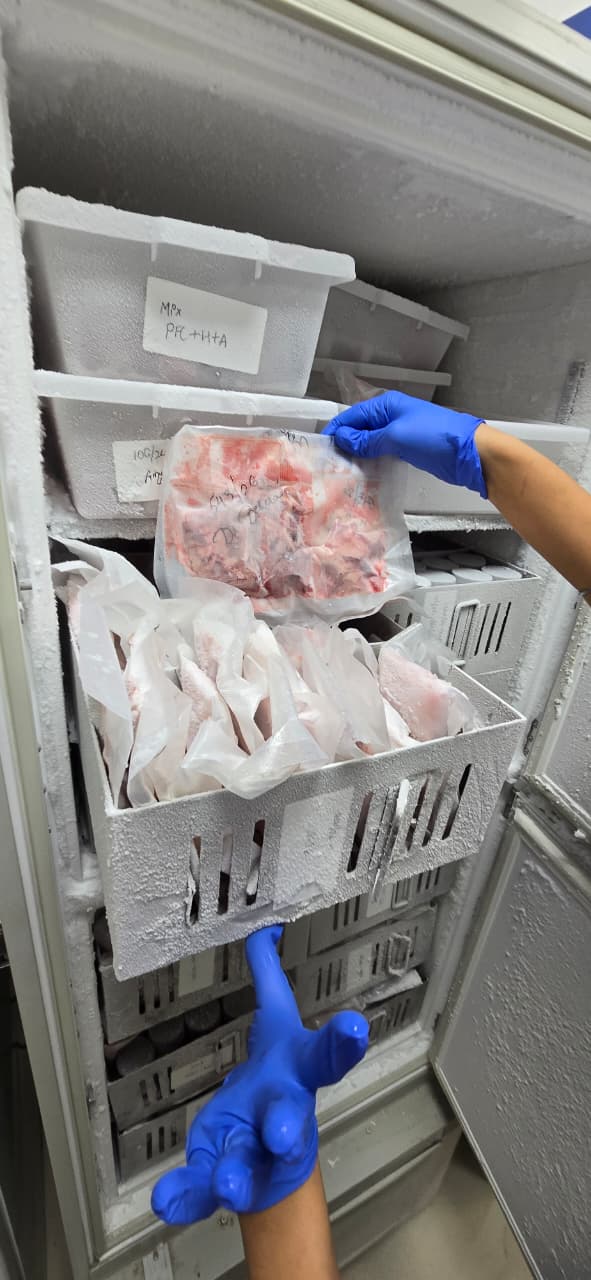
Brain tissues and blood samples are collected under stringent clinical, legal, and ethical standards, followed by preservation at ultra-low temperatures.
Meta-Data
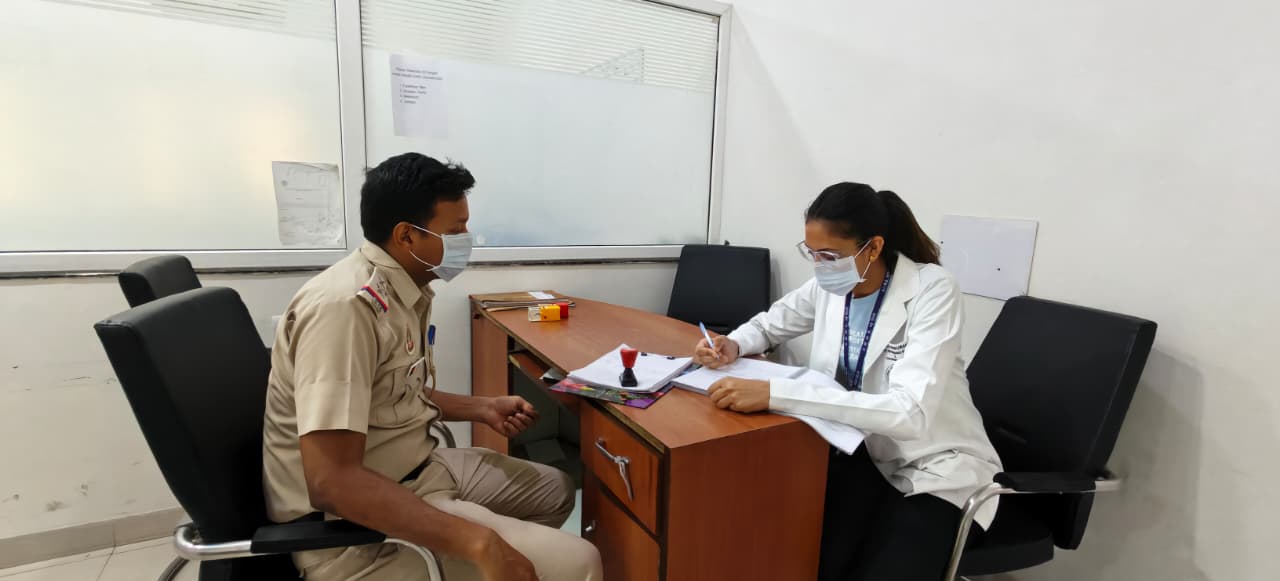
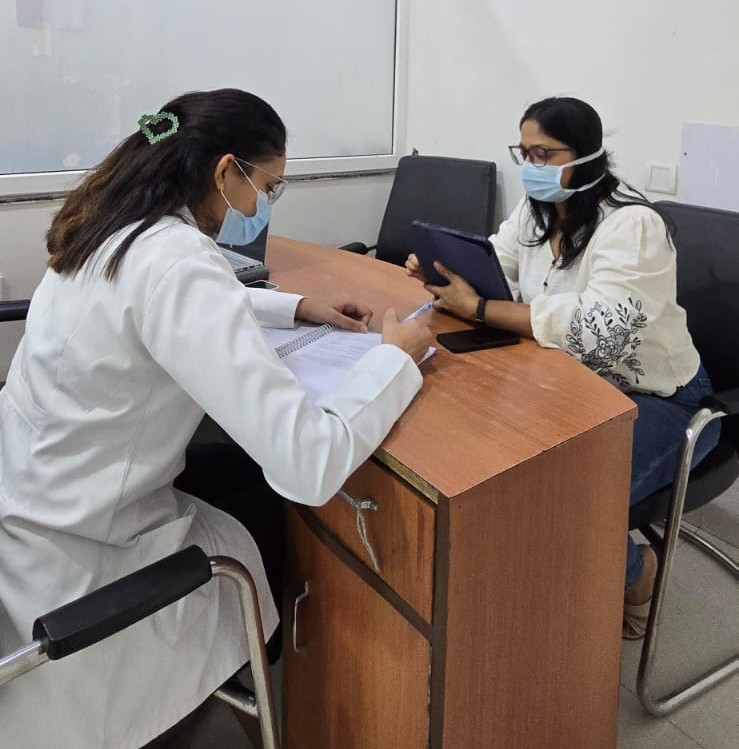
Availability of relevant demographic, clinical, and psychological autopsy data to support in-depth and multidimensional research.
Advanced Research Support
Enabling studies in molecular biology, neurobiology, and psychiatric research, with a focus on suicidal behavior and related disorders.
Standardized Processing & Storage
Robust protocols for biospecimen handling, preservation, and data management to ensure consistency, traceability, and scientific integrity.
Multidisciplinary Collaboration
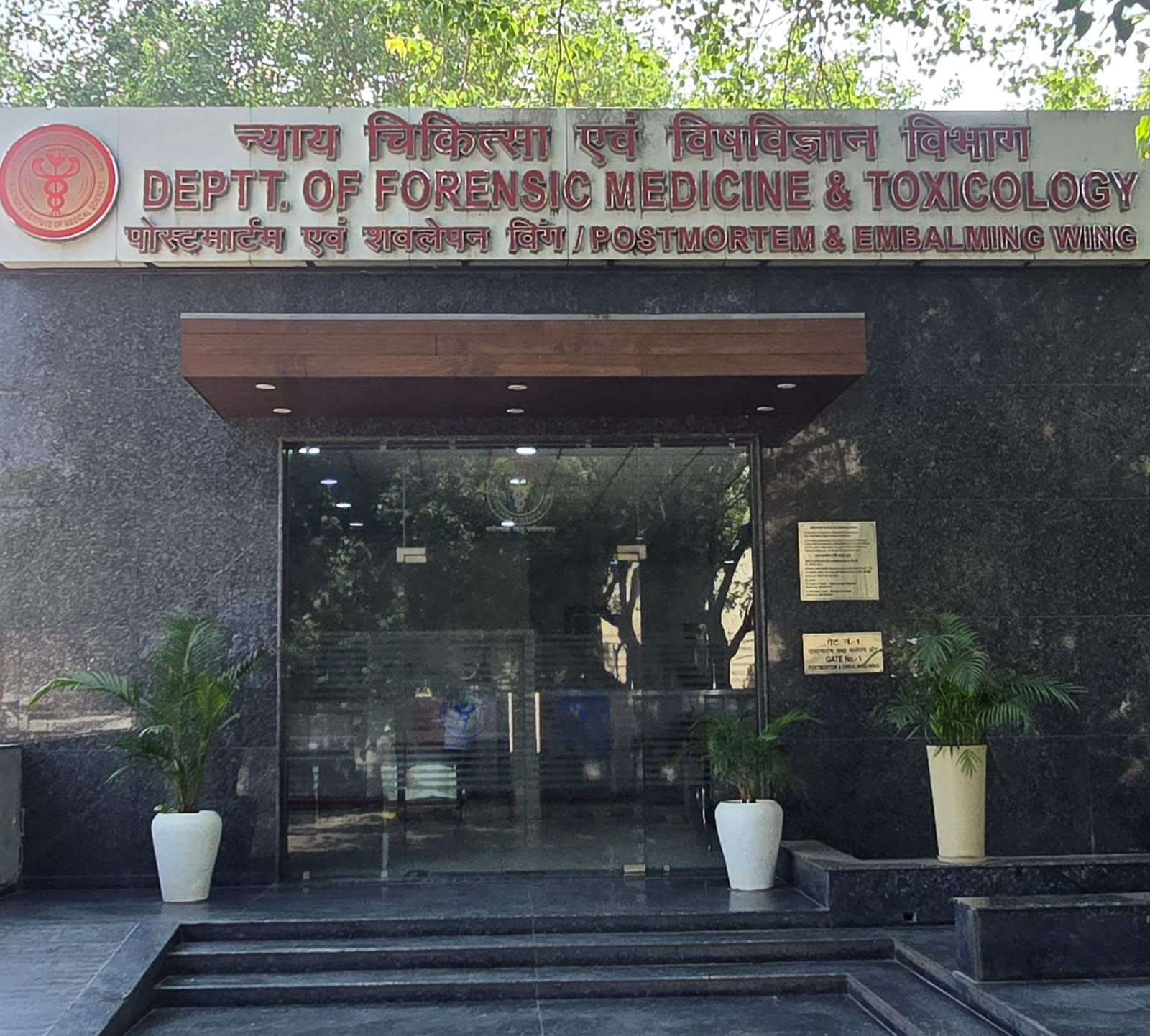
Ongoing collaborations with academic institutions, including the University of Utah and the Department of Psychiatry, AIIMS, with openness to further partnerships that foster innovation, research, and knowledge exchange.
Our Vision
To become a globally recognized centre of excellence in the collection, preservation, and management of high-quality blood and brain biospecimens. Through innovation, collaboration, and scientific integrity, we strive to advance research in human health, disease mechanisms, and cause-of-death investigations, contributing to improved diagnostics, effective treatments, and evidence-based prevention strategies for future generations.